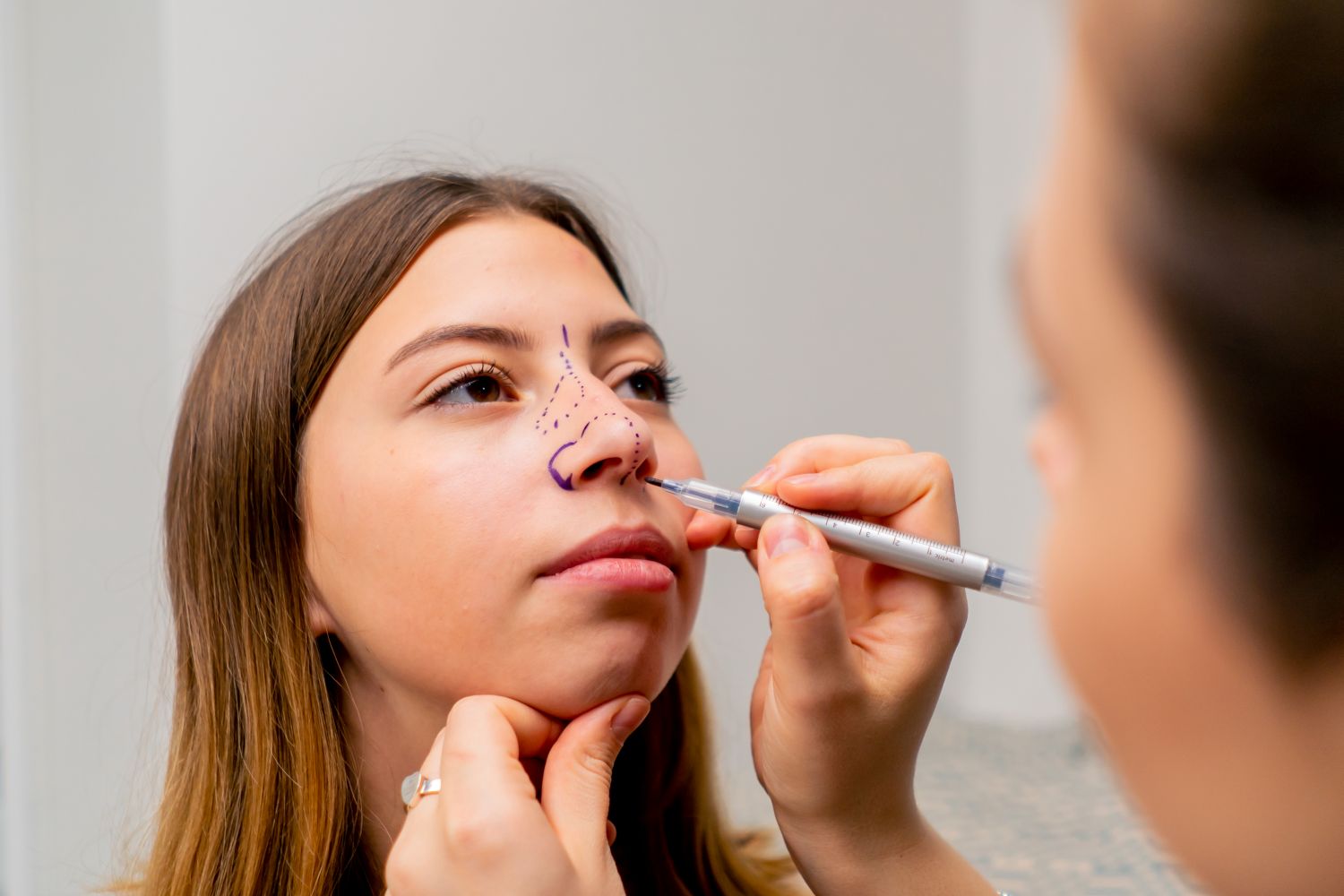
Nose augmentation has become a widely accepted option for individuals looking to enhance their facial aesthetics or address functional concerns. Whether contemplating non-surgical techniques or more invasive surgical procedures, the array of methods available today can accommodate diverse needs. This guide outlines the various types of nose augmentation, emphasizes the benefits and potential risks associated with each option, and provides guidance on selecting the most suitable approach. Furthermore, it includes essential recommendations for ensuring a smooth recovery. Explore how nose augmentation can assist in achieving the desired appearance and enhancing overall quality of life.
What is Nose Augmentation?
Nose augmentation is a widely recognized cosmetic surgical procedure aimed at enhancing the appearance of the nose, which plays a significant role in overall facial aesthetics and balance. This procedure addresses various concerns, including nasal symmetry, dorsal humps, and refinement of the nasal tip, allowing individuals to achieve their desired beauty standards.
A comprehensive understanding of nose augmentation involves recognizing the surgical techniques, recovery protocols, and the potential psychological impacts on patients, all of which are essential for ensuring patient satisfaction and favorable outcomes.
The importance of this procedure extends beyond mere reshaping of nasal features; it also contributes to enhancing self-esteem and personal expression. Rhinoplasty, a prevalent form of nose augmentation, provides various methods to refine the nasal anatomy in accordance with individual aesthetic goals.
For many, achieving a harmonious nose can result in a more balanced and proportionate facial appearance, significantly boosting their overall confidence. The tailored approach taken for each patient’s unique anatomy ensures that the results are not only aesthetically pleasing but also functionally sound, facilitating optimal airflow and comfort in the postoperative period.
Types of Nose Augmentation
There are two primary types of nose augmentation: surgical and non-surgical methods, each presenting distinct advantages and considerations for patients seeking to enhance their facial features.
Surgical techniques, such as rhinoplasty, involve permanent modifications utilizing silicone implants or cartilage grafting.
In contrast, non-surgical options incorporate the use of nose fillers, typically composed of hyaluronic acid, offering a less invasive alternative for individuals who prefer minimal downtime and recovery.
Non-Surgical Methods
Non-surgical nose jobs have gained significant popularity as a convenient and minimally invasive method for individuals seeking to enhance their nasal features without the extensive recovery time typically associated with traditional rhinoplasty. These procedures utilize nose fillers, often composed of hyaluronic acid, to effectively address concerns such as nasal symmetry and dorsal humps, while offering the advantages of shorter treatment durations and reduced postoperative discomfort.
These techniques are lauded for their aesthetic benefits, as they allow for precise adjustments that ensure the results align closely with the individual’s natural facial structure. Patients value the longevity of the effects of dermal fillers, which generally last between six months to two years, depending on the specific product utilized and individual metabolic factors.
This combination of convenience and efficacy renders non-surgical augmentation an appealing option for many, providing a versatile solution for those looking to enhance their appearance without the commitment of more invasive surgical procedures.
Surgical Procedures
Surgical procedures for nose augmentation, primarily rhinoplasty, involve modifications to the anatomical structure of the nose, frequently utilizing silicone implants and techniques that enhance both aesthetic appearance and functional concerns. This type of cosmetic surgery can effectively refine the nasal tip, remove dorsal humps, and significantly improve nasal symmetry.
Achieving optimal results necessitates a high level of expertise in nasal anatomy and surgical techniques.
The complexities of rhinoplasty can vary considerably based on the specific needs and aesthetic objectives of each patient. Surgeons may employ various techniques, such as open or closed rhinoplasty, with each approach offering distinct advantages depending on the intricacies of the case.
The meticulous selection and placement of silicone implants are essential in achieving a natural appearance, while precision in the refinement of the nasal tip is critical for establishing balance and harmony. Each surgical technique requires a comprehensive understanding of the underlying nasal structures to ensure that the outcomes not only achieve aesthetic appeal but also preserve proper functionality.
Benefits of Nose Augmentation
Nose augmentation provides a range of benefits, primarily aimed at enhancing facial proportions and achieving aesthetic objectives that align with modern beauty standards.
Patients frequently report heightened self-esteem and satisfaction following procedures that improve nasal symmetry and overall facial harmony. This underscores the importance of personalized treatment plans that are tailored to meet the specific needs and preferences of each individual.
Enhancing Facial Proportions
One of the primary advantages of nose augmentation is its capacity to enhance facial proportions, thereby creating a more harmonious appearance that aligns with established beauty standards. By addressing concerns such as dorsal humps and nasal asymmetry, patients can achieve improved facial balance through various aesthetic procedures tailored to their individual features.
For example, individuals who perceive their nose to be overly prominent may choose reduction techniques that offer a subtler, more refined appearance. This not only enhances their self-confidence but also allows other facial attributes, such as the eyes or lips, to be more pronounced.
Additionally, patients experiencing difficulties with nasal breathing can benefit from functional septoplasty performed in conjunction with cosmetic enhancement, ensuring improvements in both aesthetic and health aspects. Such comprehensive approaches illustrate how nose augmentation can serve not only as a means of enhancing beauty but also as a pathway to fostering overall well-being and satisfaction with one’s appearance.
Correcting Breathing Issues
Plus aesthetic enhancements, nose augmentation, particularly through rhinoplasty, can offer substantial functional advantages by correcting breathing difficulties and nasal obstructions, thereby significantly improving overall patient outcomes. Many individuals pursue surgical intervention not only to enhance their appearance but also to alleviate chronic conditions that hinder their ability to breathe comfortably.
This procedure can effectively address various issues, such as a deviated septum or enlarged turbinates, which may impede airflow during respiration. By reconstructing the nasal passageways and improving structural alignment, patients commonly experience a notable improvement in their respiratory function.
Individuals who have previously faced sleep disturbances due to nasal blockages frequently report enhanced sleep quality following the surgery. When nasal function is optimized, patients may experience increased energy levels, improved concentration, and an overall enhancement in their quality of life.
Ultimately, the dual emphasis on aesthetics and functionality positions rhinoplasty as a comprehensive approach to both health and self-image.
Risks and Complications
Nose augmentation, like any cosmetic surgical procedure, entails potential risks and complications that patients must be adequately informed of before proceeding.
A thorough understanding of these risks-encompassing health risks, possible side effects, and considerations related to patient comfort-is essential for individuals to make informed decisions regarding nasal reshaping procedures.
Potential Side Effects
The potential side effects of nose augmentation procedures can vary considerably; however, common concerns include scarring, swelling, and alterations in sensation. These factors are significant considerations during the recovery period.
The selection of anesthesia options may also affect the incidence and severity of these side effects, highlighting the importance of comprehensive discussions with a qualified surgeon.
Surgical interventions, in particular, are often associated with a higher risk of complications, such as infection or prolonged swelling, which may take several weeks to resolve. These complications can have a substantial impact on not only the aesthetic outcomes but also the overall satisfaction with the procedure.
Conversely, non-surgical options generally necessitate less recovery time and tend to result in fewer scars; however, they may introduce their own set of challenges, such as temporary asymmetries.
It is imperative for individuals to carefully evaluate these considerations prior to proceeding, ensuring they possess a clear understanding of the recovery process associated with either approach.
Minimizing Risks
Minimizing the risks associated with nose augmentation necessitates a comprehensive approach that includes selecting a qualified surgeon with demonstrated expertise in nasal procedures and adhering to established recovery protocols. Effective follow-up care is critical in ensuring patient comfort and in addressing any complications that may arise during the healing process.
By prioritizing these elements, individuals can significantly enhance their chances of achieving desirable outcomes. It is essential for patients to conduct thorough research on their prospective surgeons, scrutinizing their credentials and reviewing feedback from previous patients.
Engaging in open discussions regarding expectations, potential risks, and the specifics of the procedure can further alleviate concerns. Adhering to recovery protocols, such as avoiding strenuous activities and following prescribed aftercare instructions, contributes to the reduction of risks.
Regular check-ups facilitate ongoing assessment, ensuring that any issues are promptly addressed, thereby enhancing overall satisfaction and outcomes.
Choosing the Right Method for You
Selecting an appropriate method for nose augmentation necessitates thorough consideration of various factors, including the individual patient’s demographics, aesthetic objectives, and treatment expectations.
The consultation process with a qualified surgeon is essential for evaluating these aspects and identifying the most suitable approach, whether it involves a surgical or non-surgical intervention.
Factors to Consider
When selecting a method for nose augmentation, several critical factors must be considered, including the patient’s skin type, age, and the potential psychological impact of the procedure. Patient education is essential in ensuring that individuals understand how these factors may influence their aesthetic outcomes and overall satisfaction.
The skin type is particularly significant, as variations in thickness and oiliness can affect both the healing process and the final appearance of the nose. Age is another important consideration, as it significantly influences how the skin and underlying structures respond to surgical intervention; younger patients may exhibit different recovery patterns compared to their older counterparts.
Understanding the psychological implications of the procedure, including how alterations may impact self-esteem and body image, is crucial. Patients should take the time to evaluate their motivations and expectations, as a comprehensive understanding of the associated risks and benefits will give the power to them to make informed decisions regarding their cosmetic journey.
Recovery and Aftercare
Recovery and aftercare are essential elements of the nose augmentation process, as they ensure that patients are well-informed about what to anticipate during their healing journey.
Adhering to recovery protocols and engaging in regular follow-up care are significant factors that influence the overall success of the procedure, thereby enhancing patient comfort and satisfaction.
What to Expect During Recovery
During the recovery period following nose augmentation, patients can anticipate a range of experiences, including swelling, bruising, and temporary discomfort, all of which are integral to the natural healing process. A thorough understanding of the recovery timeline and adherence to post-operative care guidelines is essential for optimizing healing and achieving the desired outcomes.
In the initial days after the procedure, it is common for patients to experience noticeable swelling and some bruising in the nasal area, the extent of which may vary among individuals. During this time, it is imperative to adhere to the prescribed post-operative care instructions, such as maintaining an elevated head position and applying cold compresses to mitigate swelling.
As the days progress, patients will gradually observe improvements as the swelling subsides, typically peaking around the end of the first week. Complete recovery may require several weeks to months, with the final results becoming increasingly apparent as the healing process unfolds.
Patients are encouraged to maintain regular communication with their healthcare provider to address any concerns and ensure that the healing process is proceeding as expected.
Post-Procedure Care Tips
Post-operative care is crucial for obtaining optimal results following nose augmentation. This care encompasses essential comfort measures and activity restrictions that must be adhered to with diligence. Compliance with recovery protocols and attendance at follow-up care appointments enables effective monitoring and ensures that any complications are addressed promptly.
To facilitate recovery, it is recommended that patients maintain an elevated head position, particularly during the initial days post-procedure, to help minimize swelling. The application of gentle ice packs may also alleviate discomfort; these should be used intermittently for short durations.
Patients are advised to refrain from engaging in strenuous activities, heavy lifting, and bending over for at least one week, as these actions may interfere with the healing process.
Maintaining adequate hydration and adhering to any prescribed medication regimen are integral components of the recovery protocol. Attendance at follow-up care appointments is essential, as these sessions provide opportunities for timely assessment and adjustments necessary to ensure optimal healing and satisfaction with the results.